Emergency dentist searches
close in under a minute.
Website cleanup and rebuilds for emergency-focused practices across Greenville and the Upstate. Starting at $1,500. Screenshots of what’s broken before you pay a dollar.
A cracked molar at 9pm is the highest-intent query in dentistry. The patient is not comparing five sites. They tap the first map pin, they want a phone number their thumb can hit, and they want to see “open now” before they scroll. If your header phone is plain text and your same-day slots are buried, the call goes to whoever wired it right.
See if your website is losing patientsStarting at $1,500. See a sample proposal before you send the URL.
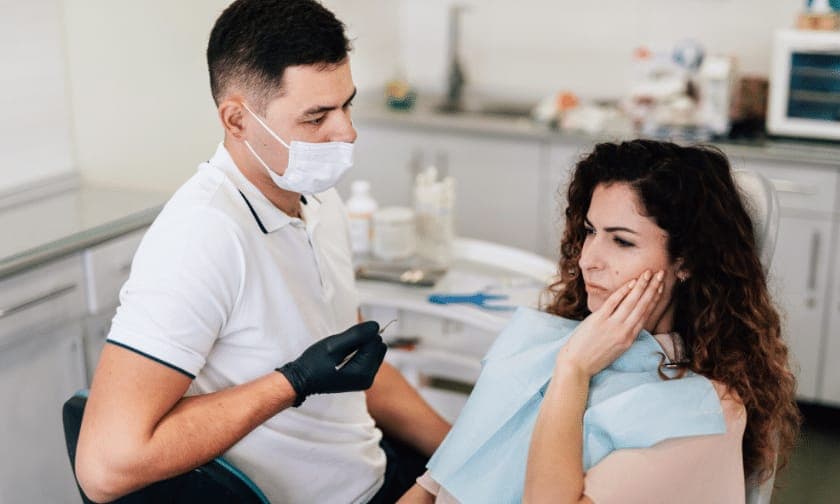
One tap, one call,
one confirmation.
A cracked molar at 9pm is the highest-intent query in dentistry. The patient will spend less than 60 seconds on your site. The routing has to be honest, live, and obvious.
01
Open nowTime-of-day check
Site detects hours and flips a live badge. Business hours: “Open now — tap to call.” After hours: “After-hours line — tap to call on-call.” No static phone number that lies.
02
RouteRoute by urgency
True emergencies hit the on-call line with one tap. Urgent-but-not-severe patients see a triage page with a same-day slot banner and a “book first slot tomorrow” button.
03
ConfirmedConfirmation that sticks
On booking, a text confirmation arrives in under a minute with the address, parking notes, and “if pain worsens, call this number.” The patient stops shopping.
Same-day slot banner
“Two same-day emergency slots open. Cutoff 3pm today.”
Wired to practice hours. Goes dark when full. Never promises what the schedule can’t deliver.
Emergency sites lose the call
in three specific ways.
Across the emergency-focused sites we audit in the Upstate, three patterns repeat. A cracked molar at 9pm is the highest-intent query in dentistry — these are the places the site costs you the call.
Problem. Header number is rendered as plain text. The patient in pain has to copy, paste, and cross-check area codes before the call.
Fix. Sticky header with a tap-to-call phone and a live “Open now” / “After-hours line” badge keyed to practice hours.
Result. Map-pack searches that land on the site convert on the first tap instead of scrolling to the next pin.
Problem. Homepage doesn’t mention walk-ins, emergency slots, or today’s cutoff time. Patient assumes no openings and moves on.
Fix. “Same-day emergency slots” banner above the fold, keyed to today’s availability with a clear cutoff time.
Result. High-intent mobile clicks actually call instead of bouncing back to the results page.
Problem. After-hours visitors hit a generic contact form and wait until Monday. True emergencies end up in the ER instead.
Fix. After-hours detection routes to an emergency hotline or a triage page with urgent-care guidance and the next-morning slot link.
Result. The practice captures real emergencies; non-emergencies get triaged without burning front-desk time in the morning.
Named case studies from Greenville-area practices coming once we have written permission. Until then, patterns only.
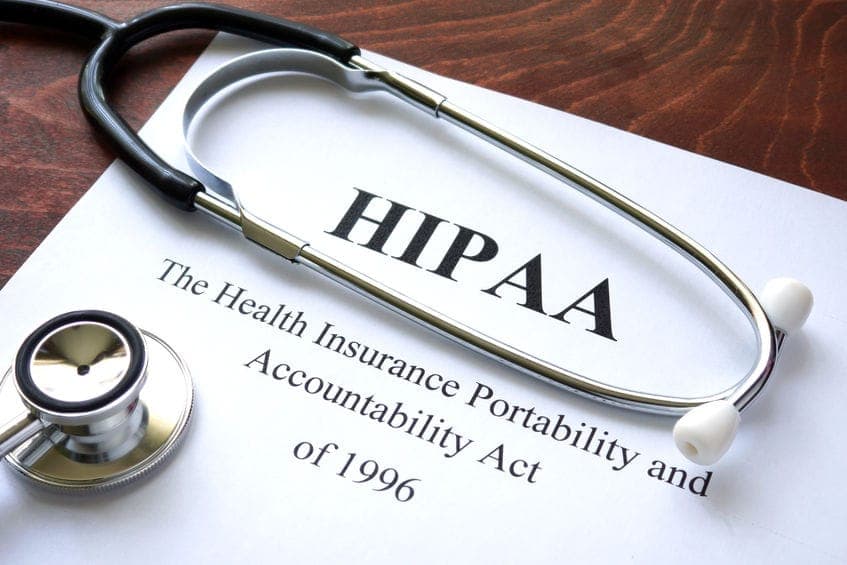
The boring stuff
that protects you.
When a patient types “cracked molar, need it pulled”into your contact form, that’s a medical complaint sitting in a database your website plugin owns. Most dental forms quietly fail HIPAA. Most dentists never find out until something goes wrong.
Cleanup moves intake to a HIPAA-compliant inbox you actually monitor, with the signed paperwork and audit log your compliance binder needs. If anyone ever asks, you have the file. The practice is on the hook for this — not the plugin.
See if your website is losing patientsThree steps.
One week.
One entry point — the audit. One deliverable — a written proposal with screenshots. You decide what happens next.
01
Send us the URL.
That’s the whole intake. No form with 14 questions, no discovery call, no sales sequence.
02
Hear us out.
Within 48 hours, we’ll send back screenshots of what’s costing you patients, the fixes that actually move the needle, and a written proposal with scope and price. If your site is already fine, we’ll tell you that instead.
03
Say yes, and it’s fixed in a week.
Payment on approval. Cleanup ships in five business days or less.
Don’t let your website
be the reason for less revenue.
It’s 9pm. Someone searches “dentist near me.” They tap your pin first. Your site hangs. They swipe back and book the next one.
You will never know they existed. And what walks away isn’t a single visit — it’s years of recall, the family they’d have brought, and the case you’d have caught a year in.
Every silent bounce takes the whole arc.
Three things compound every month:
- —Your map pin drifts. Google weights mobile experience in local results. The fast practice keeps the calls. Yours stops getting them.
- —Your review count stalls.The patient who never booked never reviews. Your competitor’s five-star count grows on patients who were going to be yours.
- —Your ad dollar shrinks.Every Google Ads click lands on a page that bounces before it paints. You’re paying to send patients to a site that turns them away.
The site isn’t hurting the patients already on your schedule — they know where to park. Every bounce is the newpatient — the one who would have replaced the family that moved away. Multiply that by every month the leak has been silent.
Website builds
starting at $1,500.
One new patient is $13,000+ in lifetime value. Cleanup is $1,500. The math pays itself back the first time the leak closes.
Faster on phones. Intake moved to a HIPAA-compliant inbox. Your Weave / LocalMed / RevenueWell sync still working. A visual refresh that matches your chairside. Five business days or less.
Scope varies by practice. The audit tells you which tier your site actually needs. Larger rebuilds are scoped per project — send what you need, we’ll work within your budget. If the audit says you don’t need us, we’ll say so.
See if your website is losing patientsQuestions specific
to emergency practices.
Specialty-specific decisions the audit looks at — and how the written proposal answers them.
Is a dedicated emergency phone line worth paying for?+
If emergency is a real share of your revenue, yes. A second line routed to the on-call doctor after hours keeps real emergencies from going to the ER while the main line stays clean for next-day scheduling. If emergencies are incidental to a general practice, a single line with clear after-hours routing on the site is fine — the decision comes down to whether the site actually advertises emergency care as a service or just mentions it in passing.
How should the site behave after hours?+
Two paths. Either the header swaps to a live "After-hours line" badge that points at the on-call doctor's line, or it surfaces a short triage page: "Is this a true emergency?" with plain-language guidance, an ER fallback link for severe symptoms, and a prominent "book first slot tomorrow" button. The Cleanup wires whichever model matches your actual after-hours coverage.
Should "emergency" be a top-level page or hidden under services?+
Top-level. "Emergency dentist near me" is a distinct search intent from "family dentist near me" and it rewards dedicated pages with clear schema. Burying it under /services/emergency cedes the keyword to competitors who put it in their navigation.
What's the right definition of "same-day" for our availability banner?+
Honest is the right definition. If you hold two emergency slots that cut off at 3pm, the banner says "same-day slots open until 3pm today" and goes dark after. A banner that promises same-day when the schedule is full torches trust the moment the patient calls and hears otherwise. Cleanup wires the banner to your calendar or practice hours — not to a guess.
Reply with your practice website.
You’ll have screenshots in 48 hours.
Free audit. Screenshots plus a written proposal. No call. No follow-up sequence. If your site’s fine, we’ll say so.